Dogs and cats from the same household can share a single import permit on Click2Clear. One application, one fee — $11.20 total, not per pet.
Bringing a Dog or Cat to the Bahamas from the US — 2026 Requirements
13 min readinternational

Dr. Sarah Chen
Travel Veterinarian
| Applies to | Dogs and cats (different vaccine panels, otherwise identical) |
| Documents | BAHFSA import permit, health certificate, vaccination records, fecal test results |
| Vaccines | Rabies + full species-specific panel (see below) |
| Microchip | Not required by the Bahamas (required for dogs re-entering the US) |
| Quarantine | None |
| Cost | $250–$600 (dogs) / $250–$550 (cats) |
| Timeline | Start 4–6 weeks before travel |
| Difficulty | 🟡 Moderate |
Bringing a dog or cat to the Bahamas from the US costs $250–$600 and takes 4–6 weeks of prep. Most of that time is waiting for your import permit — the actual paperwork is straightforward.
The Bahamas needs a BAHFSA import permit, a health certificate from any licensed US vet, rabies plus a full vaccine panel, and a negative fecal test. No USDA endorsement, no quarantine, no titer test.
The catch: the Bahamas has a stricter vaccine list than most Caribbean destinations. Dogs need the standard DHLPP package.
Cats need FVRCP plus Feline Leukemia and Pneumonitis — that last one isn't part of most US vets' routine protocol, so ask for it specifically.
Coming home is simple. Dogs need a free CDC Dog Import Form and a microchip. Cats just need to look healthy.
What You Need
The rules are the same for dogs and cats except for the vaccine panel:
- BAHFSA import permit — apply at least 4 weeks before travel ($11.20)
- Active rabies vaccine — given at least 30 days before arrival
- Full species-specific vaccine panel (see Vaccine Requirements below)
- Health certificate within 10 days of arrival — any licensed US vet can sign it
- Negative fecal test for internal parasites
- Free of fleas and ticks
- Pet must be at least 6 months old
What You Don't Need
- USDA endorsement
- Microchip (for Bahamas entry)
- Titer test
- Wait in quarantine
Tip
Bahamas Pet Import Permit
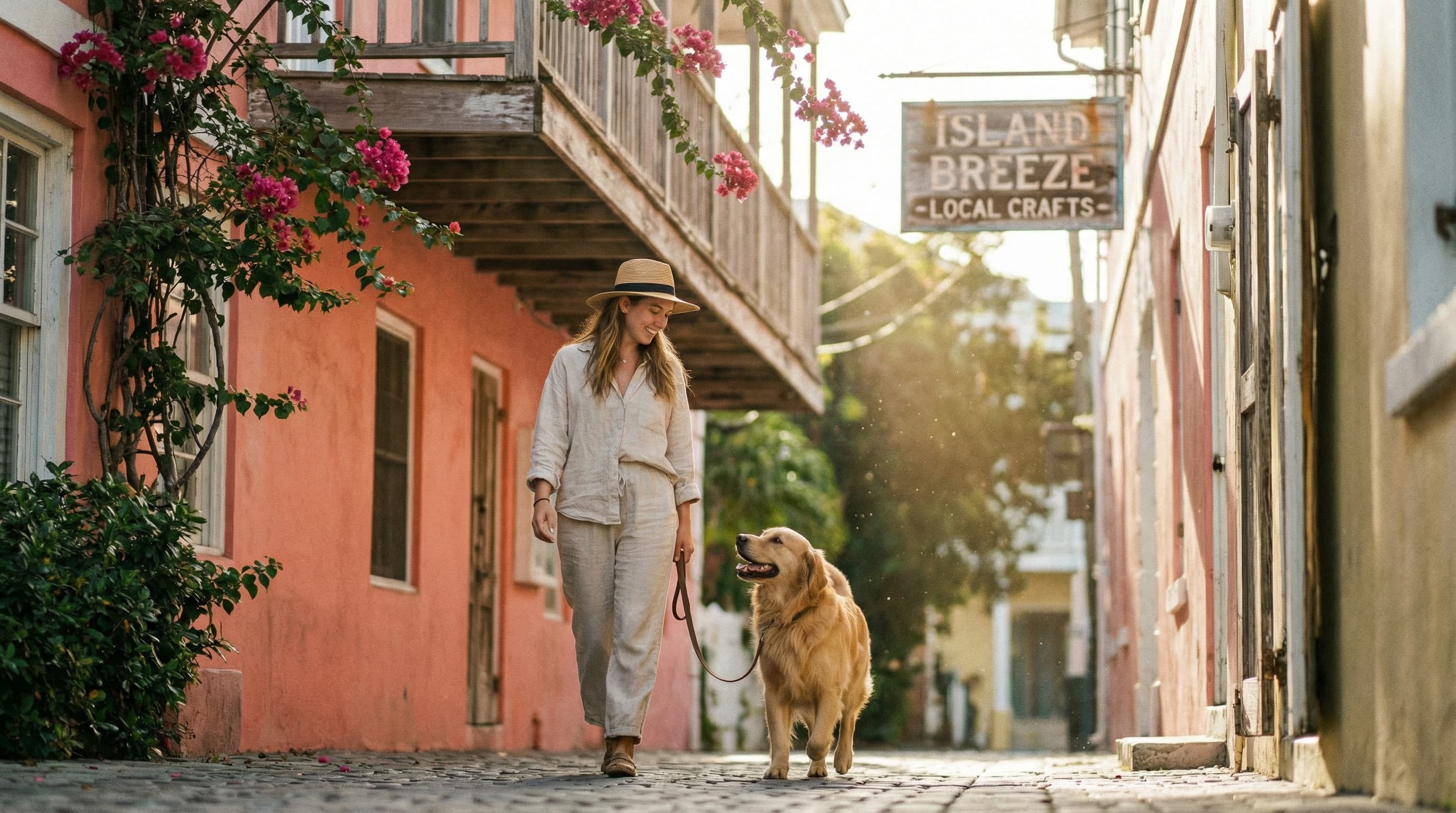
Every dog and cat entering the Bahamas needs an import permit from BAHFSA (Bahamas Agricultural Health and Food Safety Authority). This is the step that takes the longest — apply at least 4 weeks before your trip.
The permit costs $10 plus 12% VAT, totaling $11.20. You apply online through the Click2Clear platform.
What you need to apply:
- Click2Clear account (free to create)
- Your pet's name, breed, sex, age, and color
- Vaccination records
- Microchip number (if your pet has one)
- Port of arrival and travel dates
- Credit or debit card for payment
The approved permit must travel with your pet — Bahamian officials check it on arrival alongside your health certificate. Print it rather than relying on a phone screen at customs.
If you need help with the application, BAHFSA's helpdesk is reachable at 1-242-424-1826 or itd@bahfsabahamas.com.
Vaccine Requirements
The Bahamas requires rabies plus a full vaccine panel for both dogs and cats. Because the US is not classified as rabies-free by the World Organisation for Animal Health (WOAH), stricter timing rules apply to the rabies shot.
Rabies (Dogs and Cats)
Your pet's rabies vaccine must be:
- 1-year vaccine: given more than 1 month and less than 10 months before arrival
- 3-year vaccine: given more than 1 month and less than 34 months before arrival
The 30-day minimum is strict. If your pet got vaccinated last week, you can't fly next week.
If your pet already has an active rabies vaccine from a routine vet visit, check the date. As long as it falls within the windows above, you don't need a new shot.
Dogs
Dogs need all of the following in addition to rabies:
- Distemper
- Hepatitis
- Leptospirosis
- Parvovirus
- Adenovirus
Most US vets give these as a single DHLPP combination shot. If your dog is up to date on routine vaccines, this is probably already done.
Cats
Cats need all of the following in addition to rabies:
- Feline Leukemia (FeLV)
- Rhinotracheitis
- Calicivirus
- Panleukopenia
- Pneumonitis (Chlamydia felis)
FVRCP covers Rhinotracheitis, Calicivirus, and Panleukopenia — most indoor cats already have this. Feline Leukemia is common for outdoor cats but not universal.
Pneumonitis is the one that trips people up. It's not part of standard US vaccine protocols. Your vet may need to order it separately, so mention the Bahamas trip early and confirm they can provide it.
Watch OutThe Bahamas requires Feline Pneumonitis (Chlamydia) vaccination for cats. Most US vets don't give this routinely — ask your vet at least 4 weeks before travel so they have time to source it.
Health Certificate
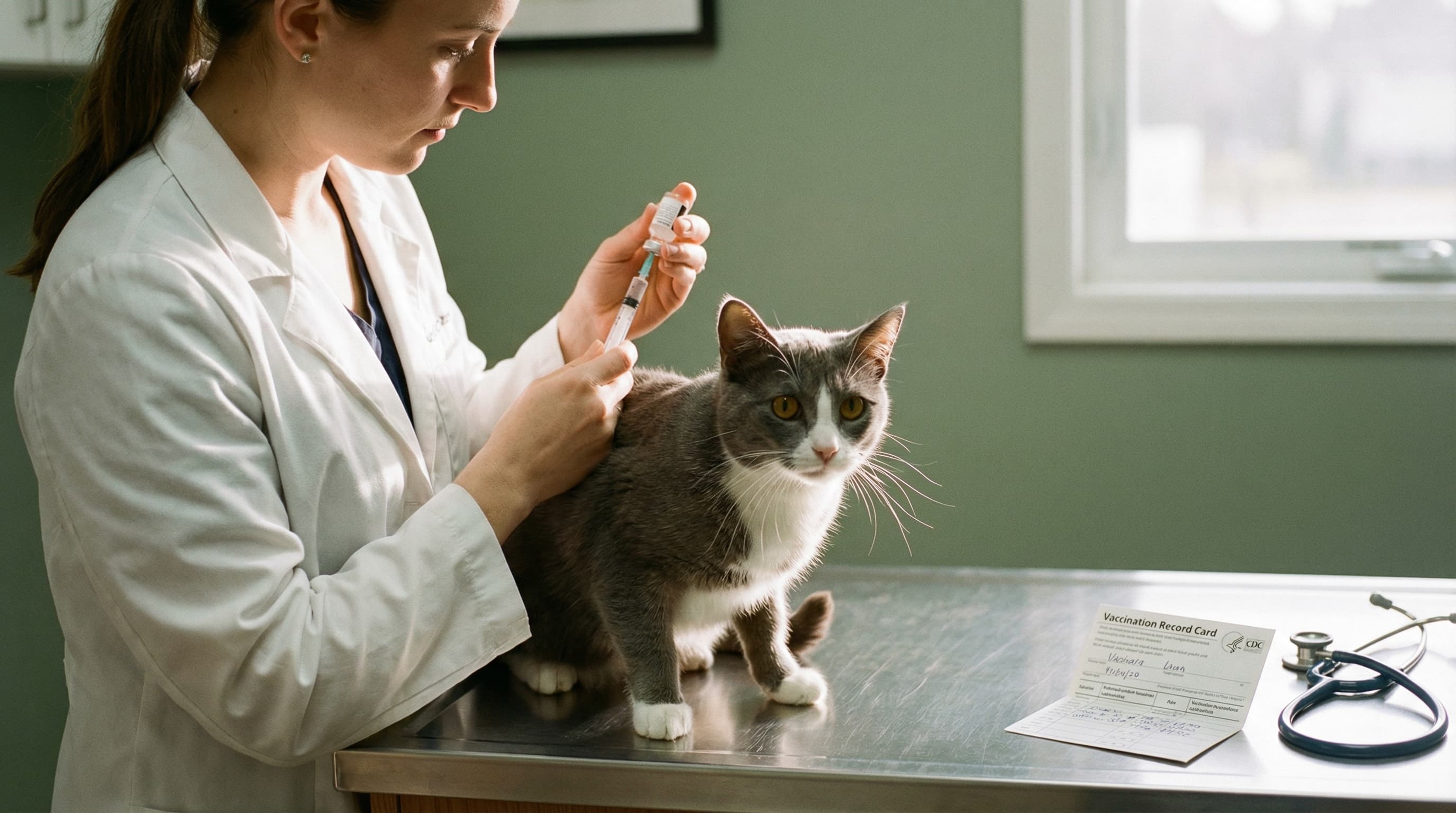
Your pet needs a health certificate (international veterinary certificate) issued within 10 days of arriving in the Bahamas. This is a strict window — schedule the vet visit carefully.
Any licensed US veterinarian can sign it. You don't need a USDA-accredited vet, and you don't need USDA endorsement. This saves you $38 and several days of processing compared to most international destinations.
The certificate must state that your pet:
- Is healthy and free of signs of infectious disease
- Has active immunity against rabies
- Has received all required vaccines
- Is free of internal parasites (attach fecal test results)
- Is free of external parasites
Bring the original certificate plus a copy. Officials at the Bahamas check the original.
For more on health certificates generally, see our health certificate guide.
Parasite Testing
The Bahamas requires proof that your pet is free of both internal and external parasites. This is unusual for Caribbean travel — most nearby destinations don't ask for a fecal test.
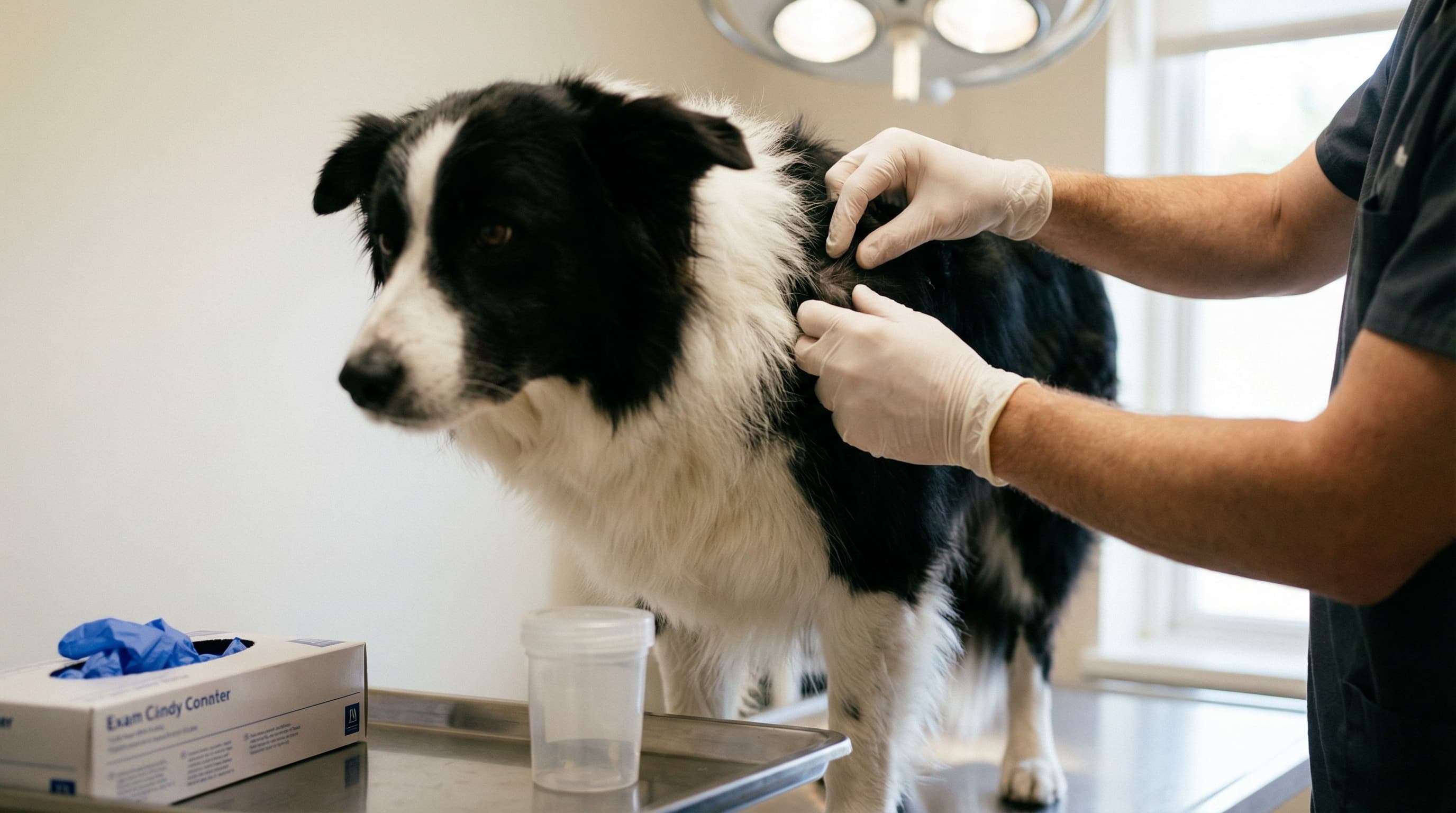
Internal parasites: Your vet runs a fecal float test on a stool sample. This costs $25–$50 and results come back in 1–3 days. Schedule this during the same visit as your health certificate exam to keep things simple.
If the test comes back positive, your vet treats your pet and may need to re-test. Build in buffer time — don't leave this for the last minute.
External parasites: Your pet must be free of fleas and ticks. Your vet confirms this during the health certificate exam. If your pet is on a monthly flea/tick preventative, you're likely fine. If not, start one at least 2 weeks before travel.
Airline Rules
The Bahamas is a short flight from most US East Coast cities — Miami to Nassau is under an hour. Several major airlines fly pets on these routes.
Common carriers: American Airlines, JetBlue, Delta, United, and Bahamasair all serve Bahamas routes from the US. Southwest does not fly internationally.
Airline pet fees typically run $100–$200 each way for cabin travel. Cargo is more — $200–$500 depending on the carrier and your pet's size.
Book your pet's spot early. Airlines limit how many pets fly per cabin, and Bahamas routes are popular. Call the airline directly — most won't let you add a pet to your reservation online for international flights.
Small dogs and cats (under ~20 lbs with carrier) fly in-cabin in a soft-sided carrier under the seat. Larger dogs fly as checked baggage or cargo. Check your airline's size and weight limits — they vary.
For a full comparison of airline pet fees and policies, see our airline pet fee comparison.
Cost Breakdown
Dogs
| BAHFSA import permit | $11.20 | One-time, online via Click2Clear |
| Vet exam + health certificate | $50–$150 | Any licensed US vet |
| Rabies vaccine (if needed) | $15–$35 | Skip if active |
| DHLPP vaccines (if needed) | $20–$50 | Skip if current |
| Fecal test | $25–$50 | Required |
| Microchip (if needed) | $25–$50 | Not required for entry, but needed for US re-entry |
| Airline pet fee | $100–$200 | Cabin, each way |
| Total estimate | $250–$600 | Round trip, one dog |
Cats
| BAHFSA import permit | $11.20 | One-time, online via Click2Clear |
| Vet exam + health certificate | $50–$150 | Any licensed US vet |
| Rabies vaccine (if needed) | $15–$35 | Skip if active |
| FVRCP + FeLV + Pneumonitis (if needed) | $30–$80 | Pneumonitis may need special order |
| Fecal test | $25–$50 | Required |
| Airline pet fee | $100–$200 | Cabin, each way |
| Total estimate | $250–$550 | Round trip, one cat |
Timeline
4–6 weeks before: Apply for your BAHFSA import permit on Click2Clear. Processing takes up to 4 weeks. Don't wait — this is the longest step.
4+ weeks before: Confirm your pet's vaccines are up to date and meet Bahamas timing rules. If your pet needs a rabies shot, get it now — the 30-day minimum waiting period starts at vaccination. Cat owners: confirm your vet can provide the Pneumonitis vaccine.
3 weeks before: Book your pet's spot with the airline. Call directly for international routes.
7–10 days before: Schedule your vet appointment for the health certificate and fecal test. The health cert is valid for 10 days from the exam date, so time this carefully. Your vet examines your pet, signs the certificate, and confirms parasite freedom.
2–3 days before: Dog owners: complete the CDC Dog Import Form online for your return trip. It's free and takes 5 minutes. Print the receipt or save it on your phone.
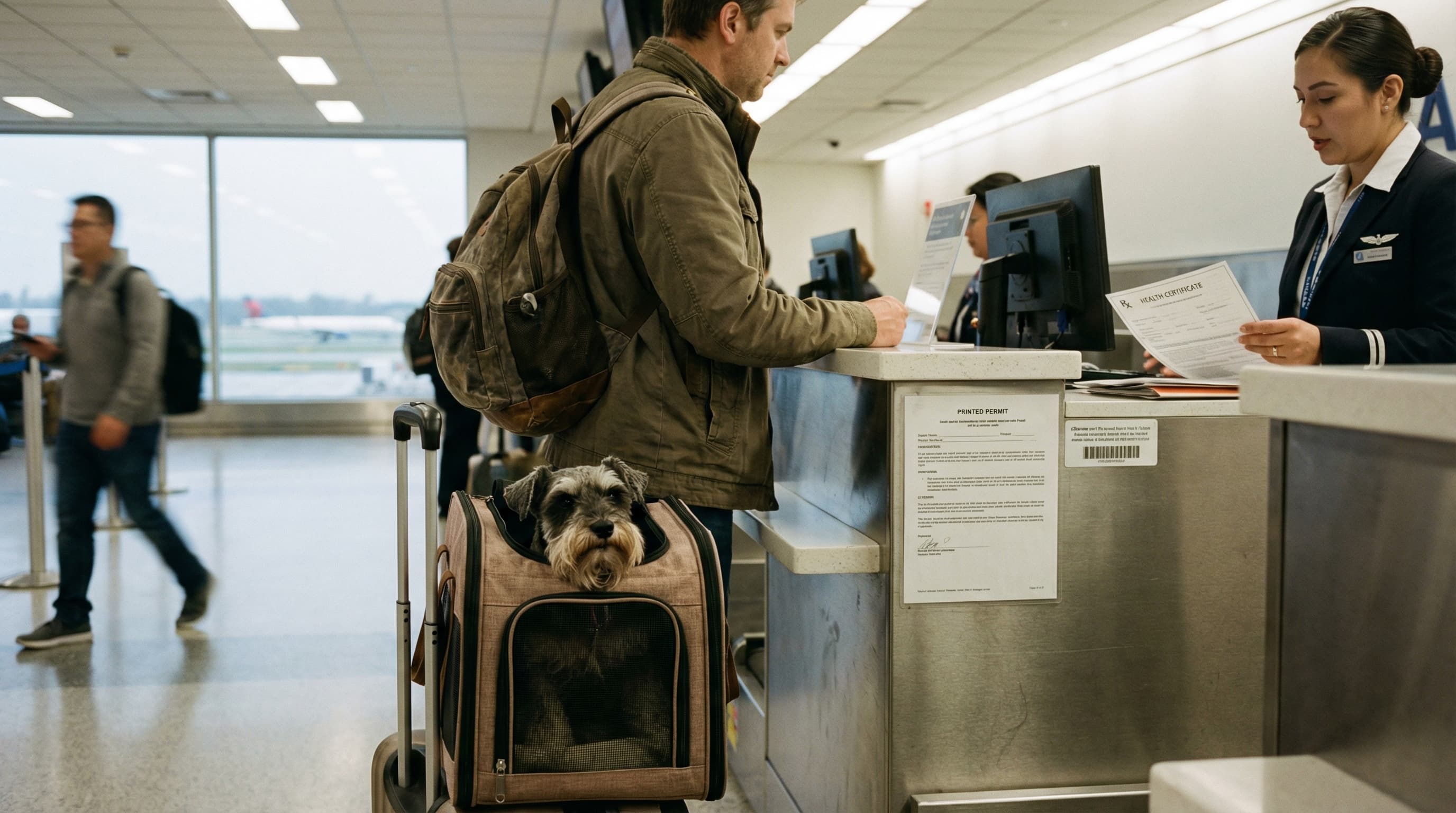
Travel day: Pack your approved import permit, health certificate (original), vaccination records, and fecal test results. Arrive at the airport 2 hours early. Your airline checks paperwork at the counter. Bahamian officials review your documents on arrival.
Common Mistakes
Coming Home
Re-entry rules differ significantly for dogs and cats.
Dogs
The Bahamas is a low-risk country for dog rabies, so the process is simple:
- CDC Dog Import Form — complete online before your return flight. Free. Print the receipt or show it on your phone.
- Microchip — your dog must have a microchip readable by a universal scanner. If you didn't get one before leaving, you'll have a problem at US customs.
- Appear healthy — your dog must look healthy on arrival.
- 6 months or older — same age requirement as the Bahamas.
No screwworm certificate needed — the Bahamas is not screwworm-affected.
The CDC Dog Import Form receipt is valid for 6 months and works for multiple re-entries from the same country. If you travel to the Bahamas regularly, one form covers you for half a year.
Cats
CDC requires cats to appear healthy on arrival. That's it.
No CDC import form, no microchip requirement, no rabies vaccination proof. Your state may have its own rules — check with your state's department of agriculture before traveling.
For the full breakdown on returning to the US with a pet, see our re-entry guide.
FAQ
Your next step: Apply for your BAHFSA import permit on Click2Clear — it takes up to 4 weeks, and everything else depends on having it.