SENASA will deny entry to pets with incomplete or expired paperwork and return them to the US at your expense. There's no "close enough." If a vaccine lot number is missing or your health certificate is one day past the 14-day window, your pet doesn't enter.

Bringing a Dog or Cat to Costa Rica from the US — 2026 Requirements
19 min readinternational

Marcus Reid
Former Airline Operations
| Applies to | Dogs and cats (vaccine lists differ by species) |
| Documents | Health certificate + USDA endorsement |
| Vaccines | Rabies + core vaccines (species-specific), at least 30 days before travel |
| Microchip | Required (ISO 11784/11785) |
| Quarantine | None if paperwork is in order |
| Cost | $550–$1,100 (dogs) / $400–$800 (cats) |
| Timeline | Start 3–4 weeks before travel |
| Difficulty | 🟡 Moderate |
Flying from the US to Costa Rica with your dog or cat takes real paperwork — a health certificate issued within 14 days of travel, USDA endorsement ($101), a rabies vaccine, core vaccines specific to your pet's species, parasite treatment, and a microchip.
Costa Rica's animal health agency (SENASA) inspects your pet at the airport and will turn away animals with missing or expired papers at your expense.
Round trip costs run $550–$1,100 for dogs and $400–$800 for cats, and you should start prep 3–4 weeks out.
The return trip adds more. Costa Rica is screwworm-affected, so dogs need a screwworm freedom certificate from a Costa Rican government vet before coming home, plus a CDC Dog Import Form and a microchip.
Cats skip the screwworm certificate, the CDC form, and the federal microchip rule. This guide covers both directions, both species, air only.
What You Need
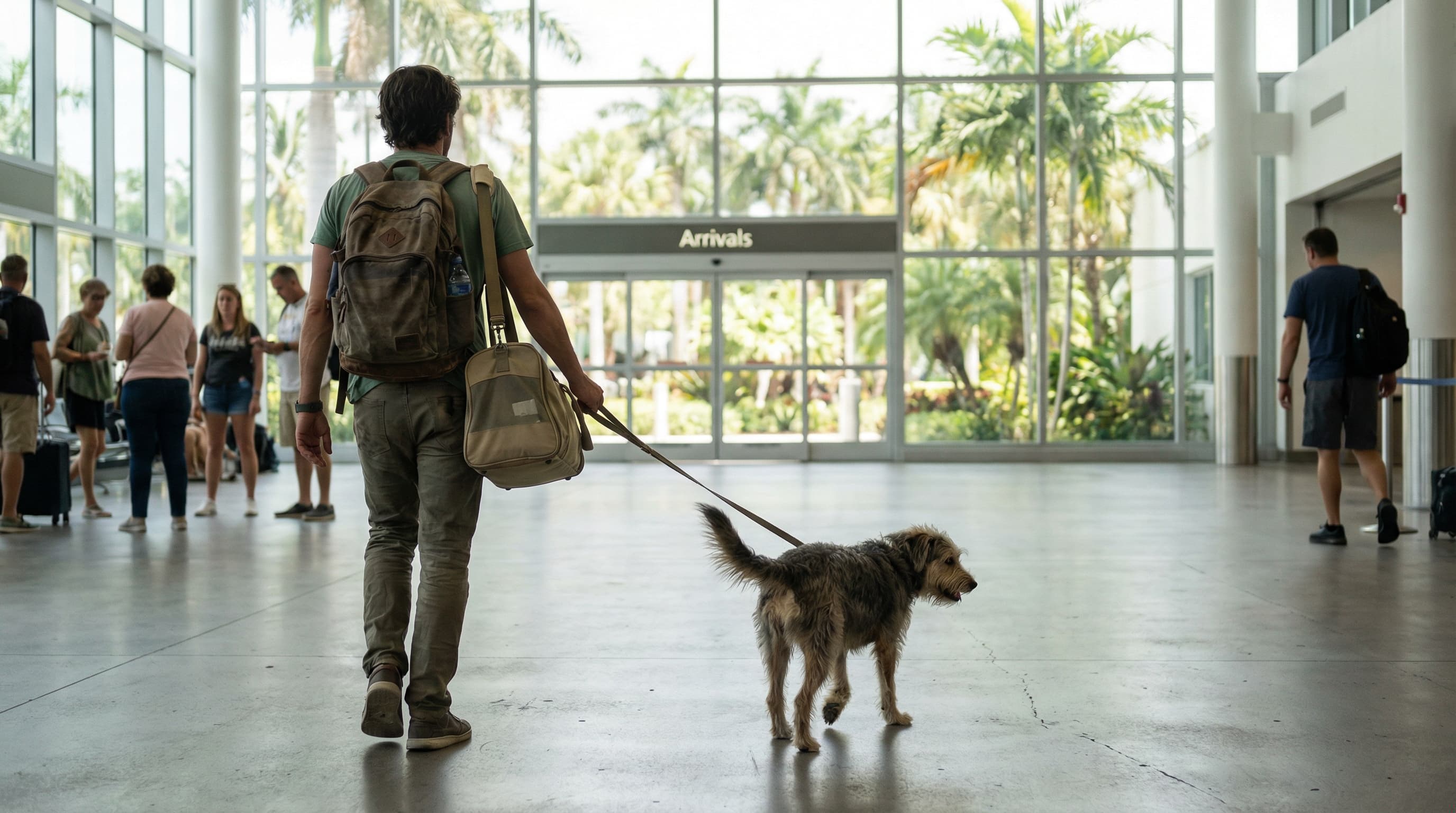
Costa Rica's rules apply to both dogs and cats. Everything on this list has to be on your health certificate:
- Health certificate from a USDA-accredited vet, issued within 14 days of travel and endorsed by USDA APHIS.
- Active rabies vaccine and core vaccines (species-specific; see Vaccine Requirements for timing).
- Internal and external parasite treatment within 15 days of travel.
- ISO 11784/11785 microchip implanted and scannable.
- Import permit from SENASA — cargo travel only; cabin travelers skip this.
What you don't need
- Titer test
- Import permit (cabin travel)
- Quarantine
- Tapeworm treatment
Every vaccine on the health certificate must list the brand name, lot number, and expiration date. Missing any of these details can get your pet turned away.
SENASA charges a ~$13 inspection fee on arrival. You can bring up to 5 pets per person without a commercial import permit.
If your pet travels as cargo instead of in-cabin, you also need an import permit from SENASA in advance.
Critical
Vaccine Requirements
Rabies
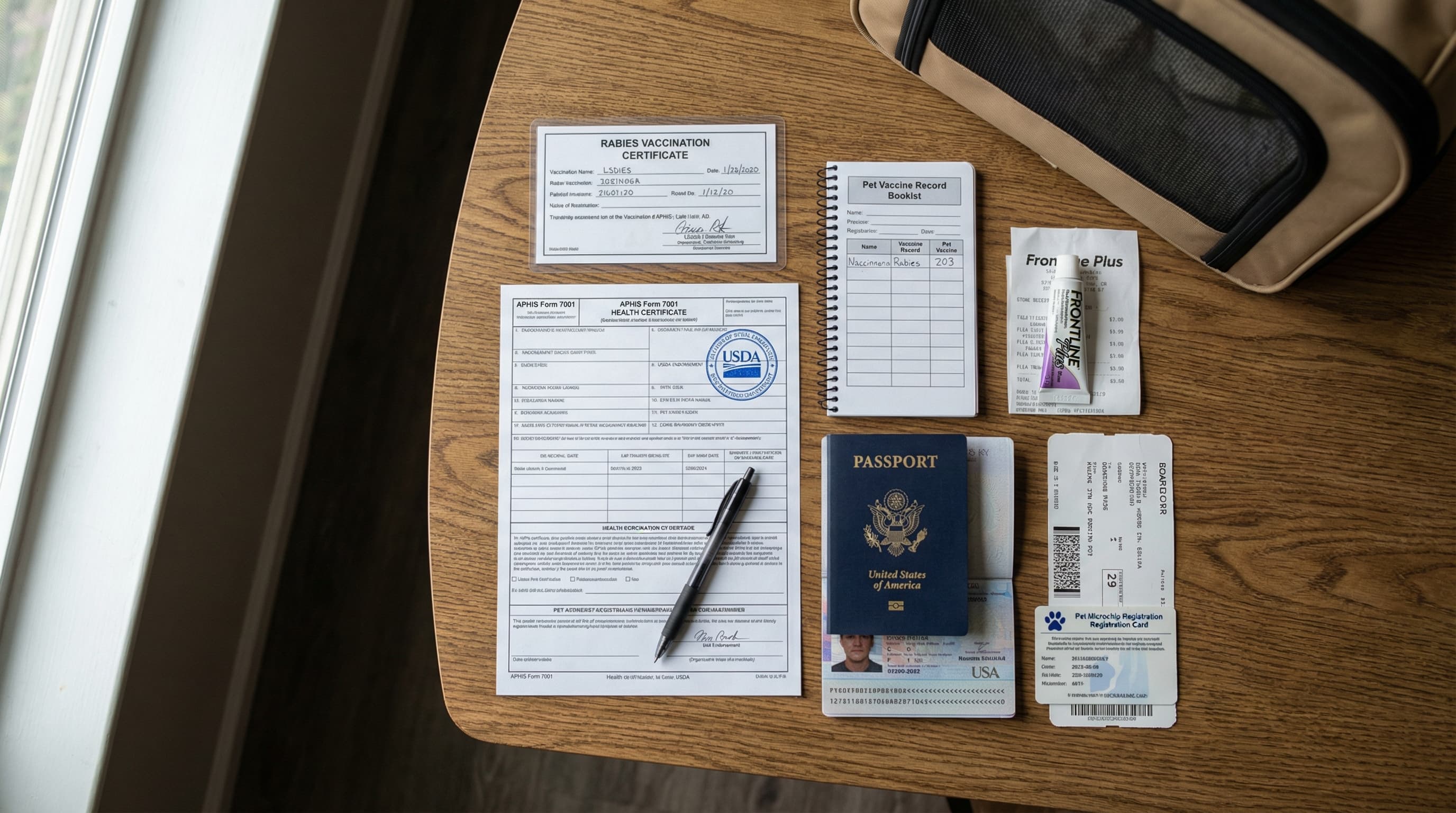
All dogs and cats over 3 months old need an active rabies vaccine. The shot has to be given at least 30 days before travel and no more than 12 months before you arrive.
That 12-month limit matters. If your pet got a 3-year rabies vaccine 18 months ago, it's still "current" in the US but may not be accepted by Costa Rica.
Multiple third-party sources report this, though official SENASA guidance is unclear on 3-year vaccines specifically. Play it safe: get a new rabies shot at least 30 days before you fly.
A rabies vaccine costs $15–$30.
Core Vaccines
Dogs need active vaccines for:
- Distemper
- Hepatitis (adenovirus)
- Parvovirus
- Leptospirosis
Cats need active vaccines for:
- Feline viral rhinotracheitis (FVR)
- Calicivirus
- Panleukopenia (feline distemper)
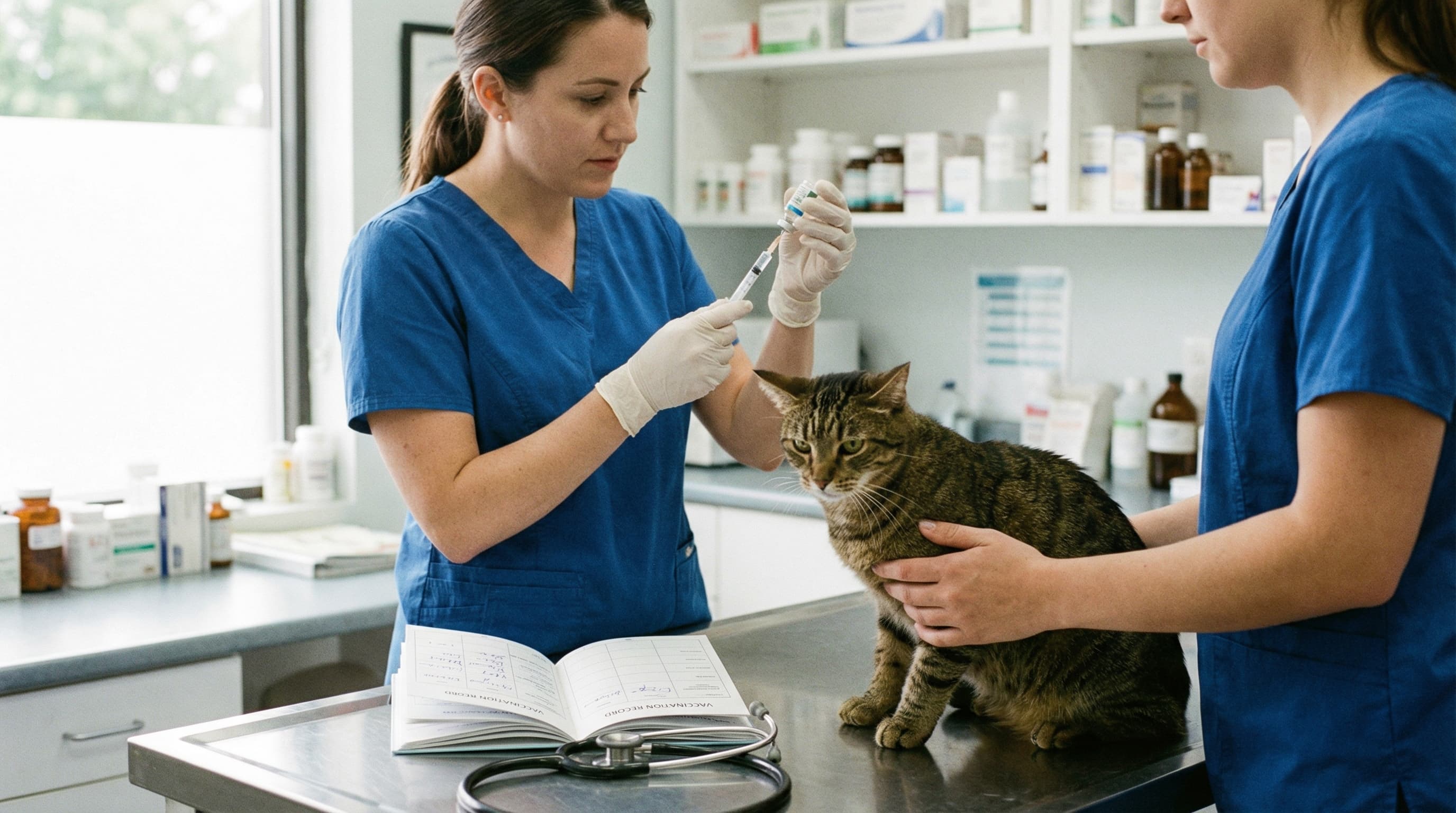
Most dogs and cats in the US already have these through routine vet care. Check your pet's records. If anything is overdue, schedule a booster now. Some of these need time to take effect.
Parasite Treatment
Your pet needs treatment for both internal parasites (worms) and external parasites (fleas and ticks) within 15 days of travel. The health certificate must list the product's brand name, lot number, date of treatment, and active ingredient.
A generic note like "dewormed" won't pass inspection.
Health Certificate
You need a health certificate issued by a USDA-accredited veterinarian within 14 days of your travel date. Count your days carefully. If your flight has a layover, count from when you land in Costa Rica.
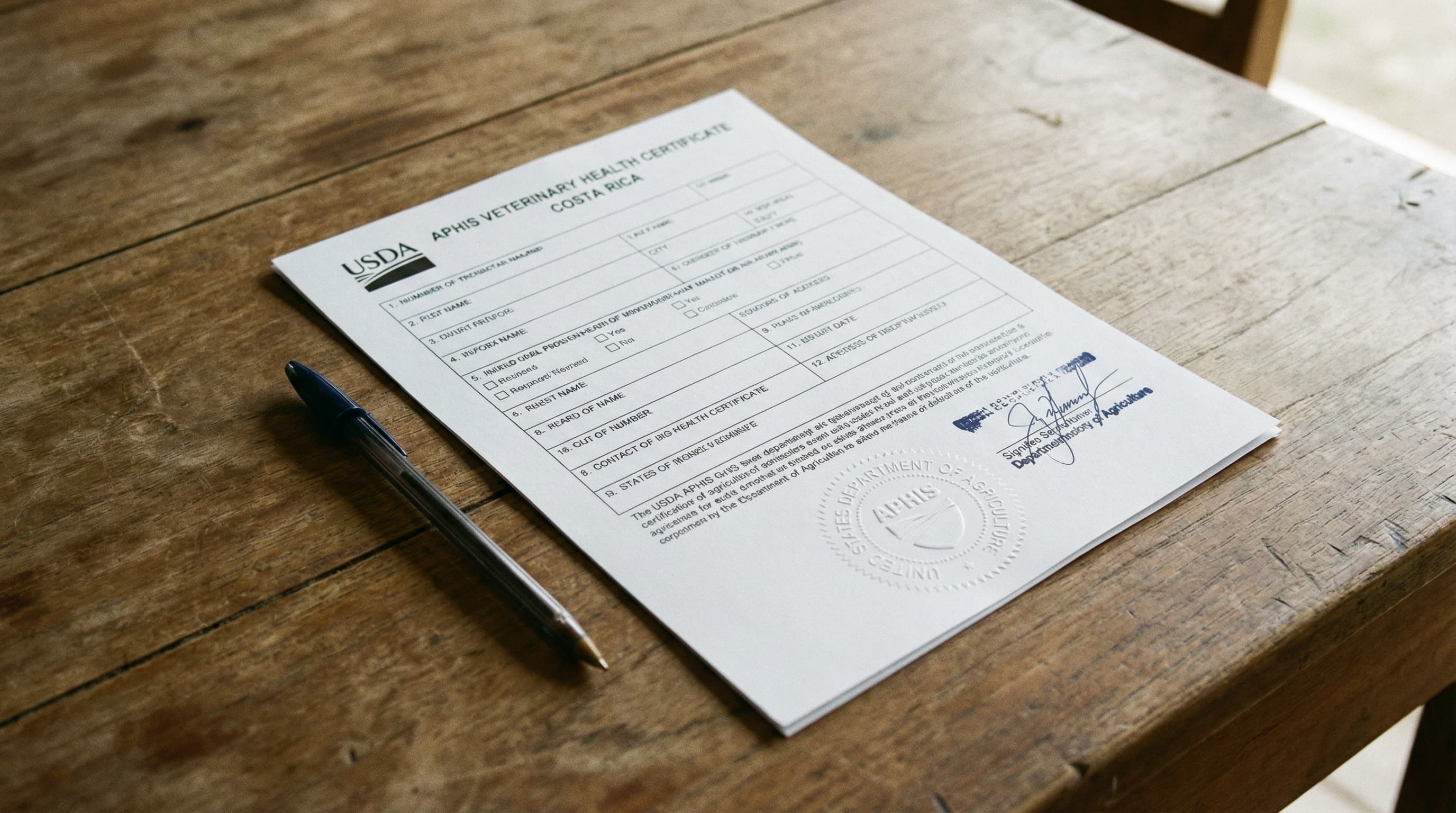
The vet fills out APHIS Form 7001 after examining your pet. The certificate must include:
- All vaccine records with brand, lot number, and expiration date.
- Parasite treatment details (brand, lot number, active ingredient, date).
- Microchip number (matching the implanted chip).
Costa Rica accepts the APHIS Form 7001 or a Costa Rica-specific health certificate template. Either works.
The certificate should be in Spanish or come with a Spanish translation. The exam costs $80–$200 depending on your vet.
After the vet signs it, the certificate goes to USDA for endorsement. The endorsed certificate must physically travel with your pet, not in your checked luggage.
USDA Endorsement
Required. Your vet submits the health certificate through VEHCS (the USDA's electronic system) for endorsement. Costa Rica accepts digital endorsement, so you can print it straight from VEHCS.
Confirm with your local USDA office that digital is still accepted for Costa Rica before relying on a printout alone.
The endorsement costs $101 per certificate (the fee went up from $38 in January 2025). You can list multiple pets on one certificate to save money. Processing happens Monday through Friday, 7:00 AM to 4:30 PM Central Time.
Your endorsed certificate is good for 30 days from the day it's issued. Between the 14-day vet exam window and the endorsement processing, your timing has to be tight. Schedule the vet visit 7–10 days before departure to leave room.
For more on how endorsement works, see our USDA endorsement guide.
Microchip Requirements
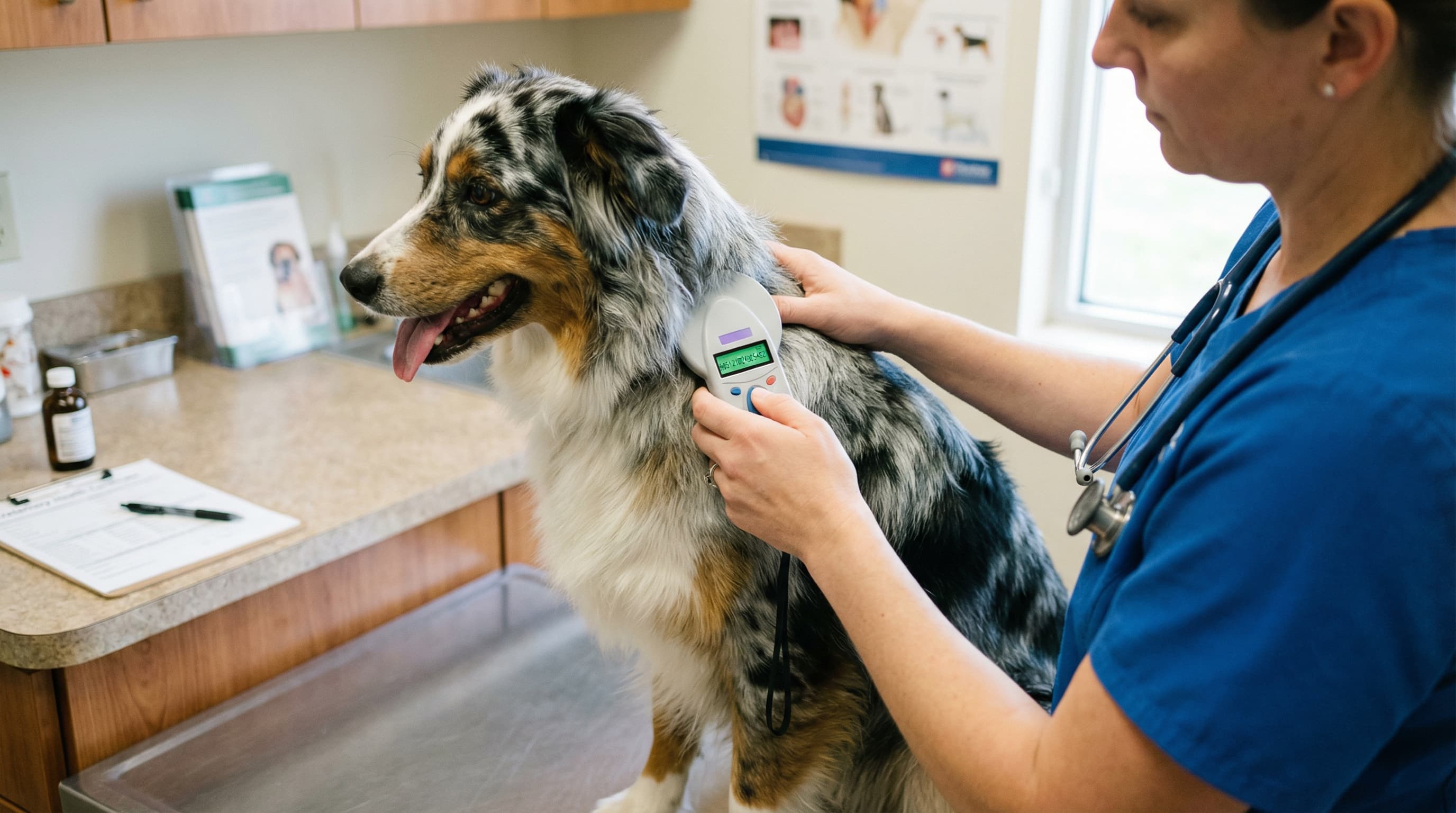
Costa Rica needs an ISO 11784/11785 15-digit microchip for all dogs and cats. The chip number must match what's on your health certificate. Get the microchip implanted before any vaccines so the chip number is on all records from the start.
A microchip costs $25–$50 at any vet and takes 30 seconds to implant. If your pet already has one, confirm it's the ISO 15-digit standard and that it scans correctly.
Bring your own universal reader if you're not sure. US vets sometimes implant 9-digit or 10-digit chips that foreign scanners can't read.
Dogs also need a microchip for the return trip, since the CDC now requires one for all dogs entering the US. Cats have no federal microchip rule for US re-entry, but Costa Rica needs one for entry, so both species need a chip regardless.
Airline Rules for Flying to Costa Rica
Airline rules apply on top of Costa Rica's country rules. Here's what the big airlines charge for cabin pets on Costa Rica flights:
| United Airlines | $150 | No (discontinued) | SJO and LIR |
| American Airlines | $150 | Military/State Dept. only | SJO and LIR; 20 lb max |
| Delta | $200 | Military/State Dept. only | No checked pets at LIR |
| JetBlue | $125–$150 | No | Max 6 pets per flight |
| Alaska Airlines | $100 | No to Costa Rica | Seasonal LIR flights |
| Southwest | N/A | N/A | No pets on international flights |
| Spirit | N/A | N/A | No pets on international flights |
Southwest and Spirit don't allow pets on international flights. If you book one of these carriers thinking you'll bring your pet, you won't. Only service animals fly internationally on Southwest and Spirit.
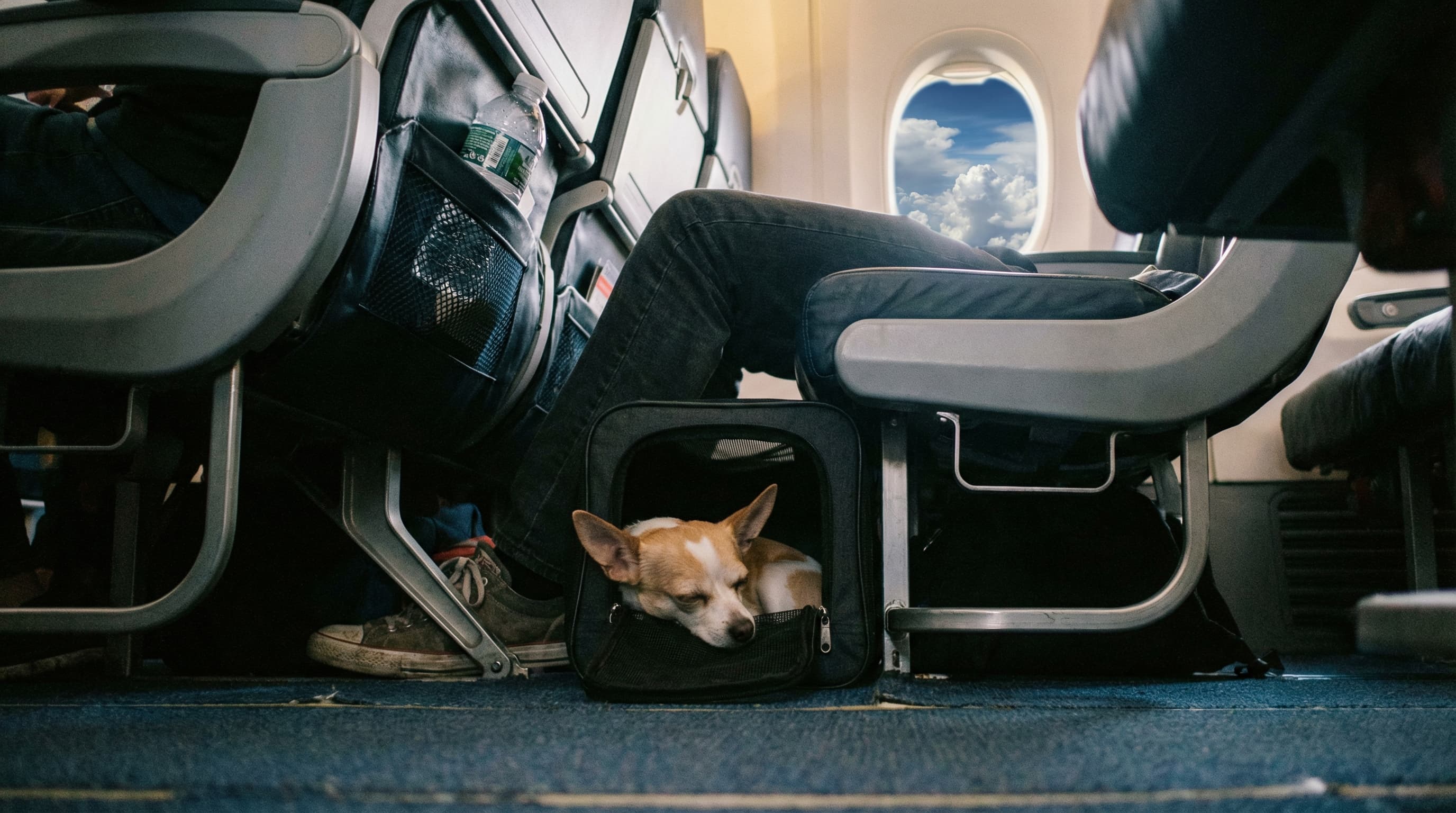
Cabin travel: Your pet has to fit in a carrier under the seat. Most airlines cap carrier size around 18x11x11 inches, with a combined pet-plus-carrier weight of 20 lbs. Call the airline 3–4 weeks before travel to reserve a pet spot.
Most flights allow only 3–6 pets in cabin, and this limit isn't listed online.
Cargo travel: Most big US airlines have stopped offering cargo pet transport to the public. If your pet is too large for cabin, you'll need a third-party pet relocation company ($1,000–$5,000 depending on size and route).
Flat-faced breeds: All major airlines ban flat-faced breeds (bulldogs, pugs, Boston terriers, Pekingese) from cargo due to breathing risks. The same goes for flat-faced cats (Persians, Himalayans, Exotic Shorthairs).
In cabin is fine if they fit.
Temperature embargoes: Airlines won't fly pets in cargo above 85°F or below 45°F. San Jose (SJO) stays in the 70s year-round, but US connection cities like Miami, Houston, and Dallas regularly hit embargo temperatures from May through September.
Fly early morning or book direct flights during summer.
For a full comparison of airline pet policies, see our airline pet fee comparison.
Cost Breakdown
Dogs
| Vet exam + health certificate | $80–$200 | USDA-accredited vet |
| USDA APHIS endorsement | $101 | Per certificate; list multiple pets to save |
| Rabies vaccine (if needed) | $15–$30 | Must be within 12 months |
| Core vaccines (if needed) | $30–$80 | DHPP + leptospirosis |
| Parasite treatment | $20–$50 | Internal + external, within 15 days |
| Microchip (if needed) | $25–$50 | ISO 11784/11785 |
| Airline pet fee (cabin, each way) | $100–$200 | Varies by airline |
| SENASA arrival inspection | ~$13 | Paid at airport |
| Screwworm certificate (for return) | $30–$100 | Government vet in Costa Rica |
| SENASA export fee (for return) | ~$9 | Paid to SENASA |
| CDC Dog Import Form | Free | Online before return |
| Total estimate | $550–$1,100 | Round trip, one dog |
Cats
| Vet exam + health certificate | $80–$200 | USDA-accredited vet |
| USDA APHIS endorsement | $101 | Per certificate |
| Rabies vaccine (if needed) | $15–$30 | Must be within 12 months |
| Core vaccines (if needed) | $30–$60 | FVRCP |
| Parasite treatment | $20–$50 | Internal + external, within 15 days |
| Microchip (if needed) | $25–$50 | ISO 11784/11785 |
| Airline pet fee (cabin, each way) | $100–$200 | Varies by airline |
| SENASA arrival inspection | ~$13 | Paid at airport |
| SENASA export fee (for return) | ~$9 | Paid to SENASA |
| Total estimate | $400–$800 | Round trip, one cat |
Cats cost less because they skip the screwworm certificate and the CDC Dog Import Form on the return trip. Both species pay for the USDA endorsement ($101), which is the single biggest paperwork expense.
Cost SaverList multiple pets on one health certificate. USDA charges $101 per certificate, not per animal. Two dogs on one form saves you $101.

Timeline
3–4 weeks before departure: Confirm your pet's rabies vaccine is active and was given within the last 12 months. Check that core vaccines (DHPP + lepto for dogs, FVRCP for cats) are up to date.
If anything is expired, schedule boosters now since rabies needs at least 30 days before travel. Call your airline to reserve a pet spot and confirm your pet has an ISO microchip.
15 days before travel (at most): Get your pet's parasite treatment done. The treatment must happen within this window.
Save the receipt. You'll need the brand name, lot number, active ingredient, and date for the health certificate.
7–10 days before departure: Visit your USDA-accredited vet for the health exam and certificate. The certificate is valid for 14 days from the exam date (counting to your travel date), so time it carefully.
The vet submits it through VEHCS for USDA endorsement. Print the endorsed certificate once it's processed.
1 week before return (dogs only): Complete the CDC Dog Import Form online. The receipt is valid for 6 months. Cats don't need this form.
5 days before return (dogs only): Visit a Costa Rican government veterinarian for a screwworm freedom certificate. This must be a full-time salaried government vet. A private vet's letter won't work.
Get the SENASA export authorization at the same time.
Before return (cats): Get a health certificate from a Costa Rican vet and a SENASA export authorization (~$9). No screwworm certificate needed.
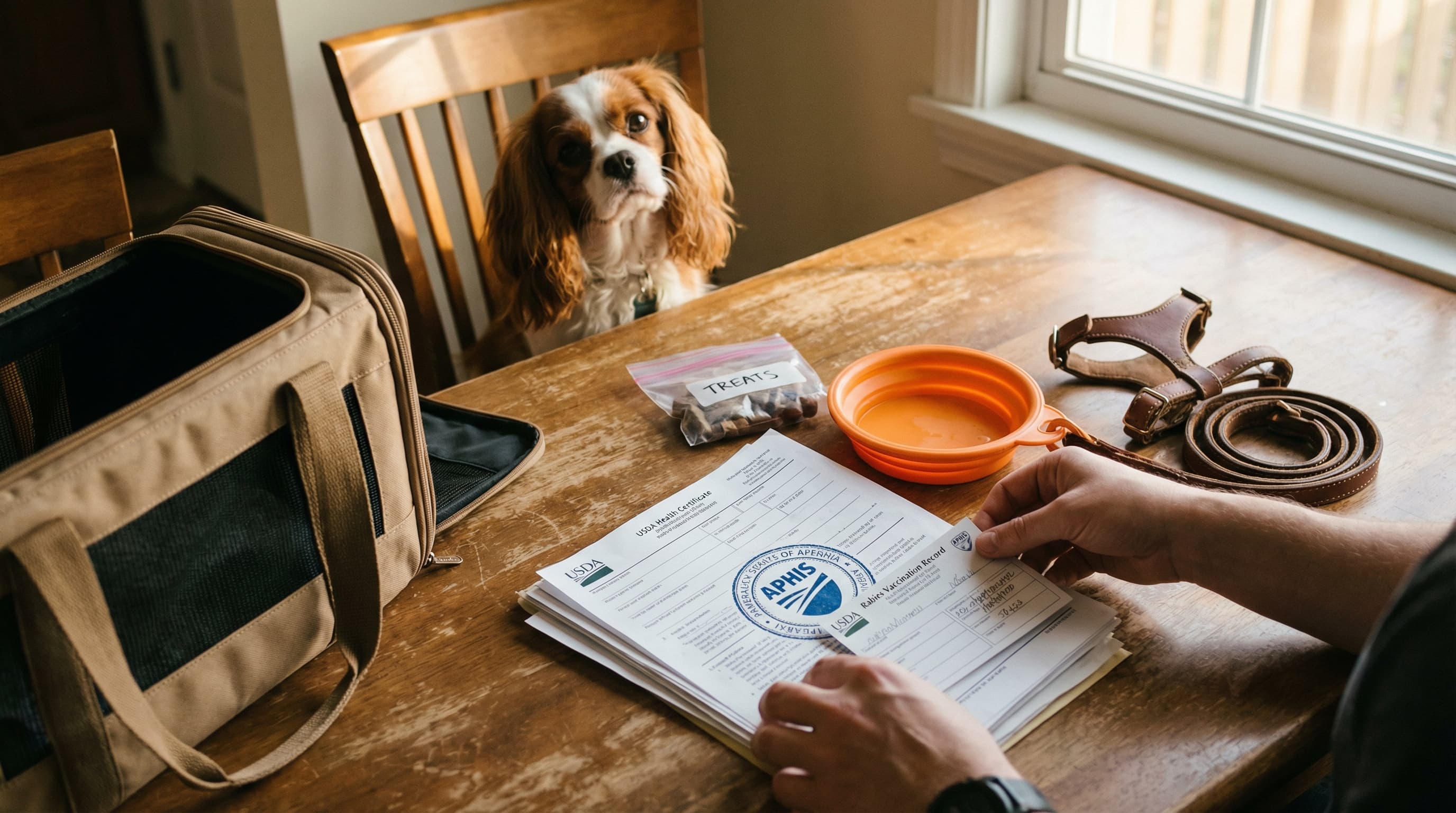
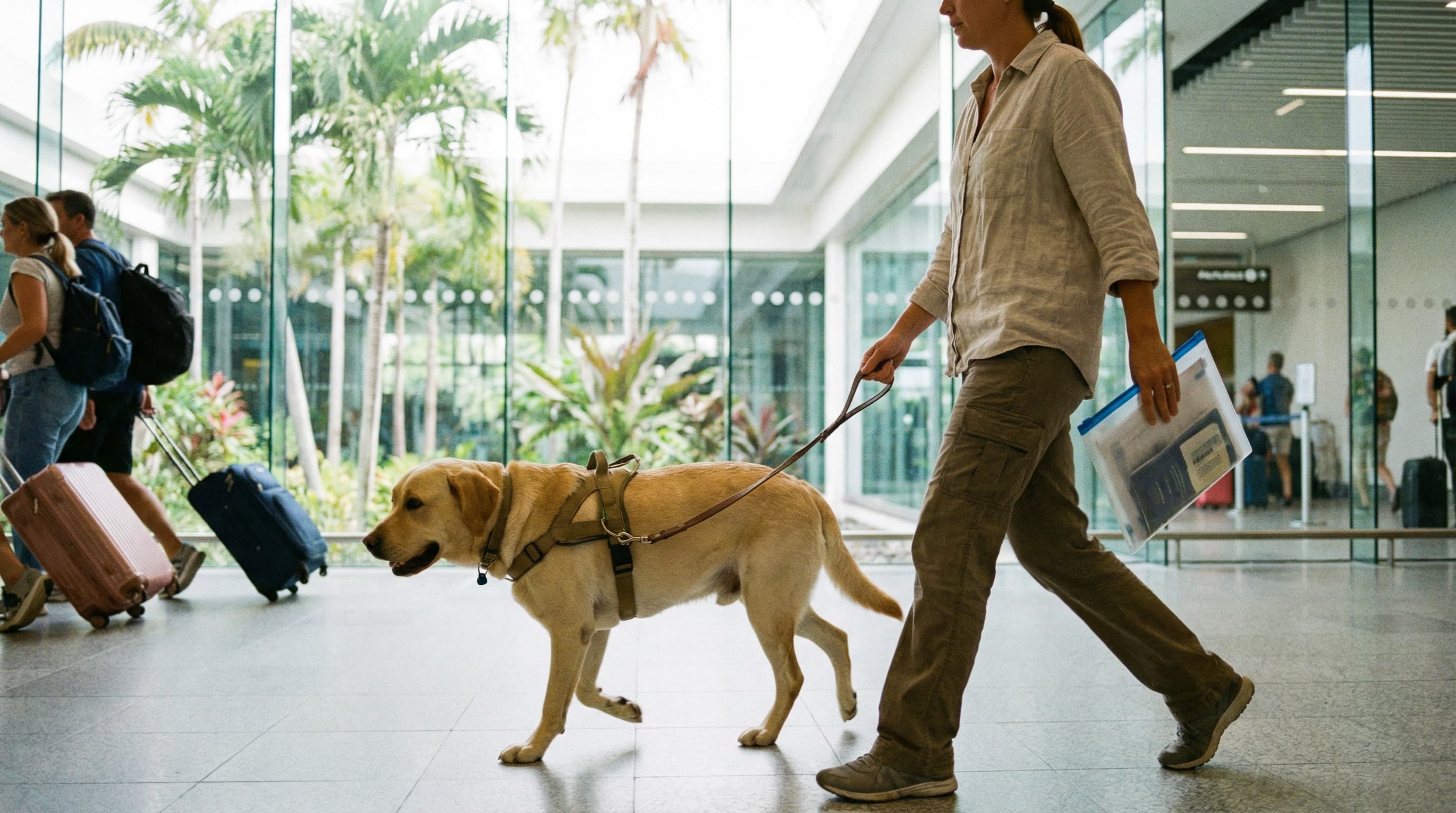
Travel day: Bring all paperwork in a waterproof folder. Health certificate, USDA endorsement, vaccine records, parasite treatment records, microchip records. Arrive 60–90 minutes early. Exercise your pet before the airport.
Common Mistakes
Airport Tips
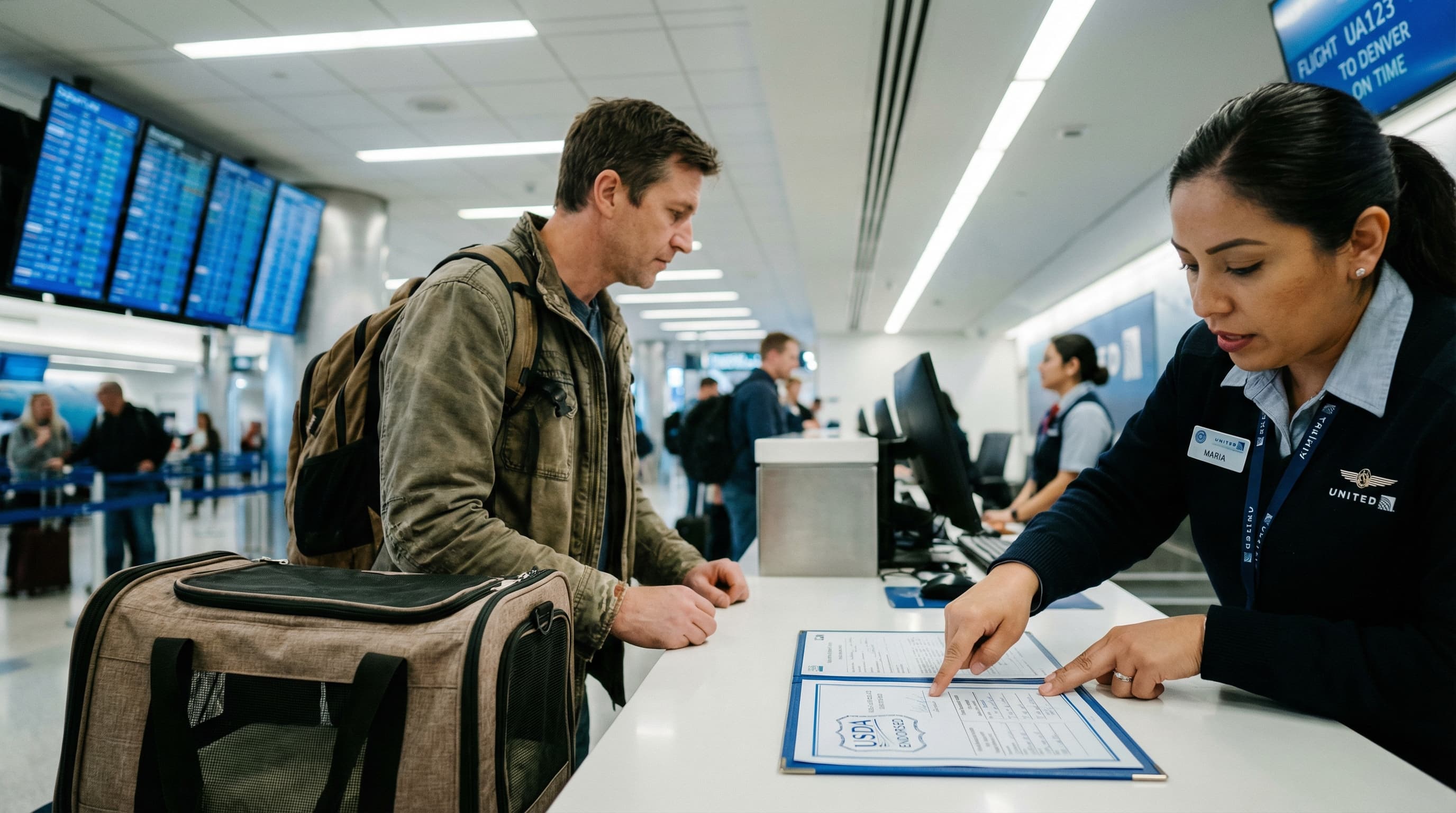
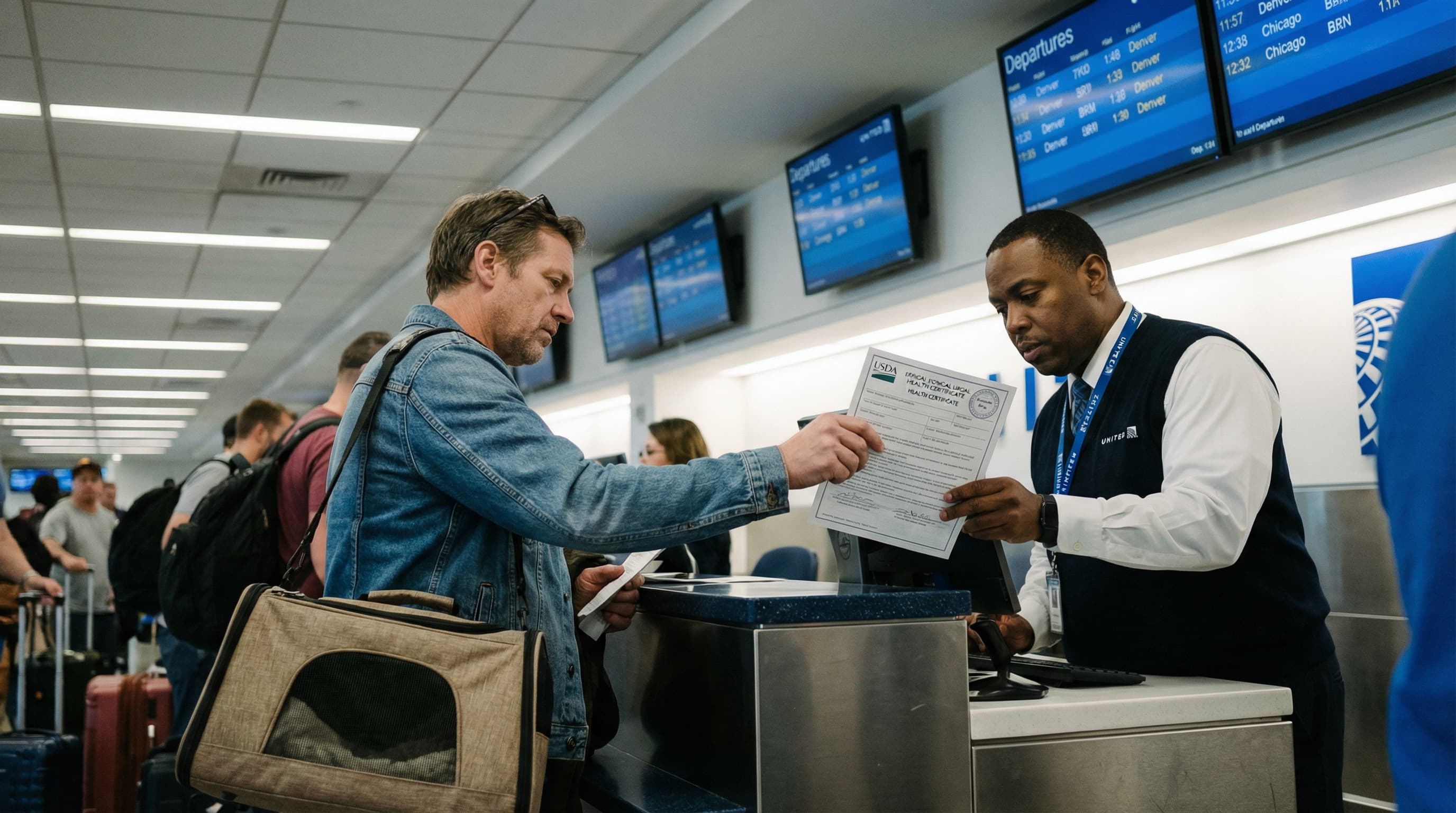
Departing the US: Check in at the airline counter with your pet. The agent checks your pet reservation, carrier dimensions, and paperwork, then collects the pet fee.
At TSA, remove your pet from the carrier, hold it (use a harness and leash for cats), and send the empty carrier through the X-ray.
Arriving at SJO (San Jose): After clearing immigration, find the SENASA inspection office. An official scans your pet's microchip, reviews the health certificate, checks vaccine and parasite treatment records, and visually inspects your pet.
If everything matches, they stamp your paperwork and you're through. About 10–20 minutes and $13 (7,703 colones).
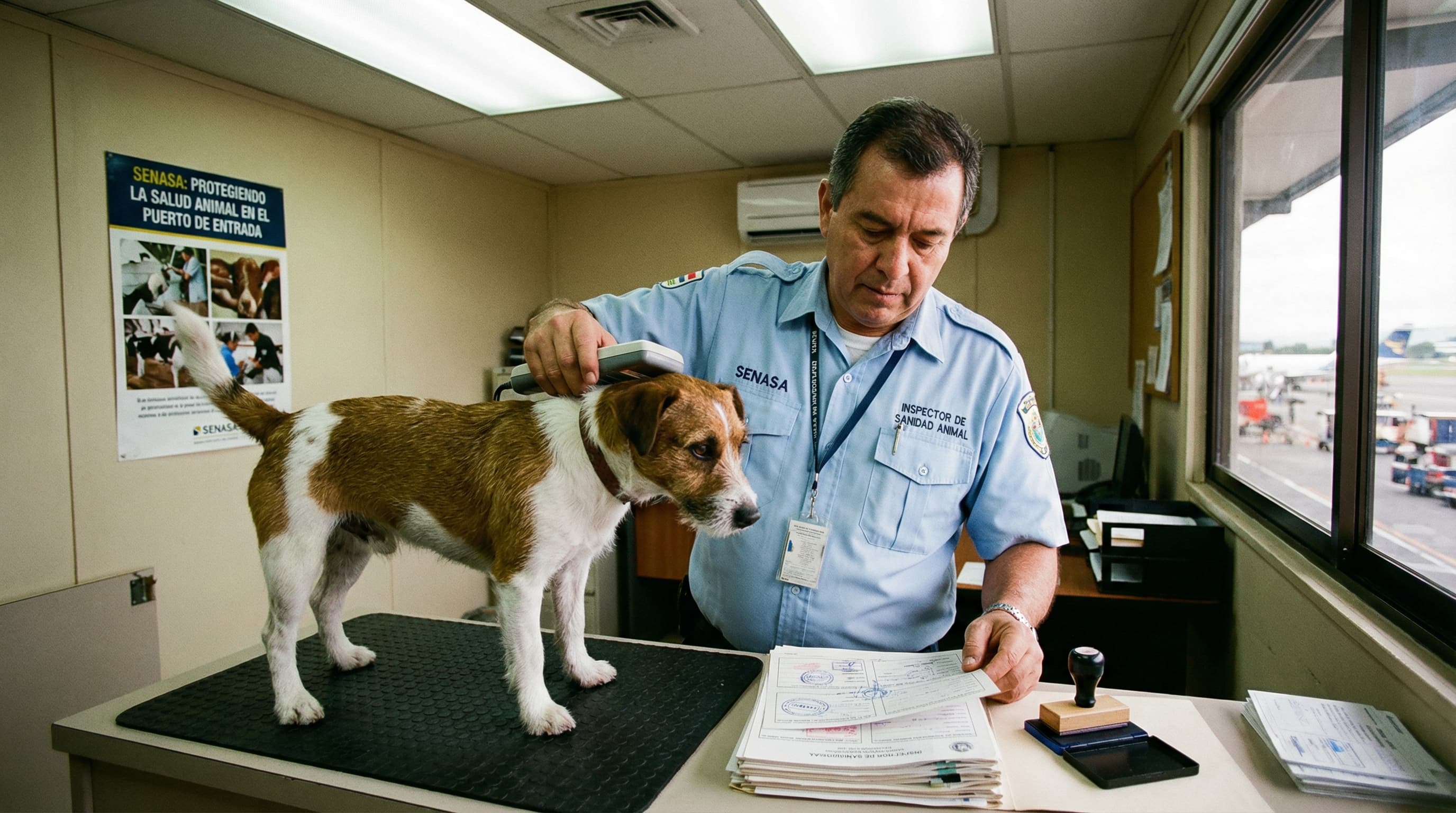
At LIR (Liberia/Guanacaste): Same SENASA process as SJO. Delta won't accept checked pets at LIR.
Bring copies. SENASA may keep your original health certificate. Bring at least two printed copies of everything, plus digital copies on your phone.
For cats: Use a harness and leash at security. Cats bolt. Consider a carrier with top access. Pulling a stressed cat sideways through a front door at airport security is harder than it sounds.
Re-entry to the USA
Costa Rica is a low-risk country for dog rabies per the CDC, so the process is straightforward. But Costa Rica is screwworm-affected, which adds one big step for dog owners.
Dogs
Four things you need as of 2026:
1. CDC Dog Import Form. Complete the CDC Dog Import Form before your return. It's free and the receipt is valid for 6 months.
You'll need a photo of your dog (taken within 90 days of travel, max 1 MB, .jpg or .png) and the microchip number.
2. Microchip. Your dog needs an ISO 11784/11785 15-digit microchip readable by a universal scanner. This should already be done for Costa Rica entry. Just make sure it still scans.
3. Screwworm freedom certificate. Costa Rica has been listed as screwworm-affected since August 2023. A full-time salaried government veterinarian (not a private vet) must inspect your dog and certify it's screwworm-free within 5 days of your return flight.
There's no set form. A standalone letter or part of the export health certificate works.
Cost varies, typically $30–$100.
4. SENASA export authorization. You need export clearance from SENASA before your pet can leave Costa Rica. Fee: about $9 (4,992 colones). Contact them at 2587-1710.
Your dog must also be at least 6 months old and appear healthy. No titer test or extra rabies paperwork is needed since Costa Rica is low-risk.
Cats
Cats have minimal federal re-entry rules:
1. Appear healthy. That's the main CDC rule for cats. If your cat looks sick at the border (coughing, sneezing, or acting tired), officials may ask for a vet exam.
2. No CDC import form. The CDC Dog Import Form is dogs only.
3. No federal microchip requirement. Cats don't need a microchip to enter the US.
4. No screwworm certificate. The screwworm freedom rule applies to dogs, not cats.
5. SENASA export authorization. You still need this to leave Costa Rica ($9) along with a health certificate from a Costa Rican vet.
Check your state's rules. Many states need rabies vaccination for cats even though the federal government doesn't. Hawaii and Guam quarantine all cats. Look up your destination state before you fly.
For the full re-entry process, see our guide to returning to the USA with a pet.
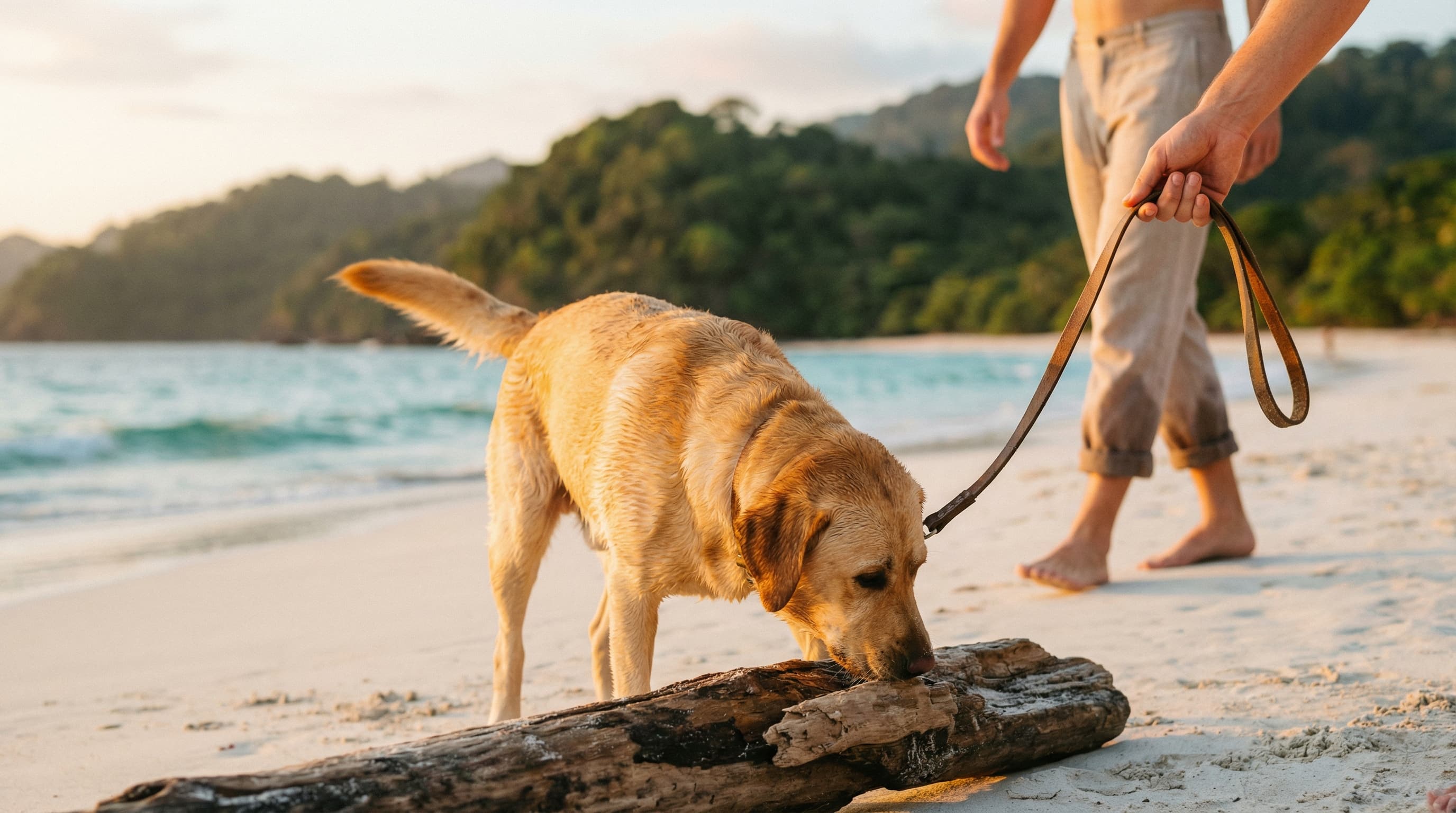
Watch OutThe screwworm certificate for dogs must come from a full-time government vet, not a private practice. Private vet letters won't be accepted at the US border. Contact SENASA (2587-1710) to find an authorized government veterinarian near you in Costa Rica. Cat owners skip this entirely.
Your next step: Call your airline to reserve a pet spot and schedule a vet appointment 7–10 days before departure. The timing between the 14-day health certificate window, 30-day rabies wait, and 15-day parasite treatment is the hardest part — get those dates on a calendar now.